When looking like she’s coping isn’t the whole story:
Your daughter’s teacher describes her as quiet and helpful. She gets her work done. She isn’t constantly leaving her seat or interrupting the class.
But you see a different side. You see the mornings that need endless reminders. The homework she struggles to start. The tears over something everyone else thinks should be straightforward.
You might find yourself wondering: if she’s managing at school, why does everyday life feel so difficult?
There can be several explanations for that difference. For some girls with ADHD, masking and the strategies they use to compensate for difficulties are part of the picture.
ADHD doesn’t always look how we expect
ADHD involves difficulties with attention, hyperactivity and impulsivity. Some children experience a combination; others predominantly have difficulties with attention.
The NHS notes that ADHD is recognised less often in girls than boys, potentially because inattentive symptoms are more common in girls and can be harder to notice. But girls can also be visibly hyperactive and impulsive.
There is no single way a girl with ADHD should look. A child’s behaviour is only one part of understanding her experience. We also need to consider what she finds difficult, what support she relies on and how much effort everyday tasks require.
What do we mean by ADHD masking?
“Masking” is often used to describe hiding or suppressing difficulties to fit in or meet expectations. With ADHD, this might include trying to conceal restlessness or pretending to have followed a conversation.
It can overlap with compensation: finding ways to work around a difficulty so that other people don’t see it.

A review of research and clinical perspectives on ADHD in girls and women describes how compensatory strategies can make underlying difficulties less visible and delay recognition.
A coping strategy is not automatically harmful. The useful question is, does this strategy help her comfortably, or is keeping up taking more from her than anyone realises?
What might this look like in everyday life?
The following are possible examples to explore with your daughter, rather than a checklist for identifying ADHD.
“I understand” — when she isn’t sure what to do
A girl might nod along with instructions because she feels embarrassed to ask again. Afterwards, she might watch what someone else does to work out where to start.
You could gently ask: “When the teacher explains a task, do you usually know the first step, or do you sometimes have to work it out by watching?”
Work that looks finished, but takes a huge amount of effort
A completed homework sheet doesn’t tell you how long she spent staring at it, how many prompts she needed or whether she was upset while doing it.
Rather than recording only whether work gets done, notice the process. What helped her begin? How much adult support was needed? Was the amount of work manageable?
Trying hard to hide movement or impulses
Some girls may consciously hold back movement or comments because they worry about being told off or standing out. Others may find quieter, less noticeable ways to move while listening or concentrating, such as bouncing a leg under the table, twirling their hair, fiddling with a pen or playing with a small object in their hands.
These movements may be easy for adults to overlook, but they can still be ways of managing restlessness or helping with attention. They are not, on their own, evidence of ADHD or masking.
An invitation such as “Would moving around help you listen?” can open a conversation without assuming you already know what she needs.
Appearing organised with lots of support behind the scenes
Her school bag may be ready because you checked it. Her homework may arrive on time because you remembered the deadline.
That support is valuable. It also matters when describing how she manages. The outcome and the help needed to achieve it belong in the same picture.
Quiet doesn’t necessarily mean masking
This distinction matters. A girl can have quieter, less obvious ADHD symptoms without actively hiding them. She might also be anxious, tired, experiencing learning difficulties or struggling for another reason.
Research highlights both less overt symptoms and compensatory strategies as reasons ADHD can be overlooked in girls and women. They are related possibilities, rather than interchangeable explanations.
Being quiet, perfectionistic or upset after school does not establish ADHD or prove that a child is masking.
We can take her difficulties seriously while staying curious about their cause.
What can parents do?
1. Ask about the experience behind the outcome
Instead of stopping at “Did you finish?”, try:
“Which part took the most effort?”
“Was there a moment when you didn’t know what to do?”
“What made that easier?”
“Would you like help, company or a break?”
Choose a calm moment and keep it light. She may not know the answer yet, and she doesn’t need to explain everything for you to offer support.
2. Make help ordinary
You could say:
“You can ask me to repeat something. You’re not in trouble for forgetting.”
Or:
“Let’s work out the first step together.”
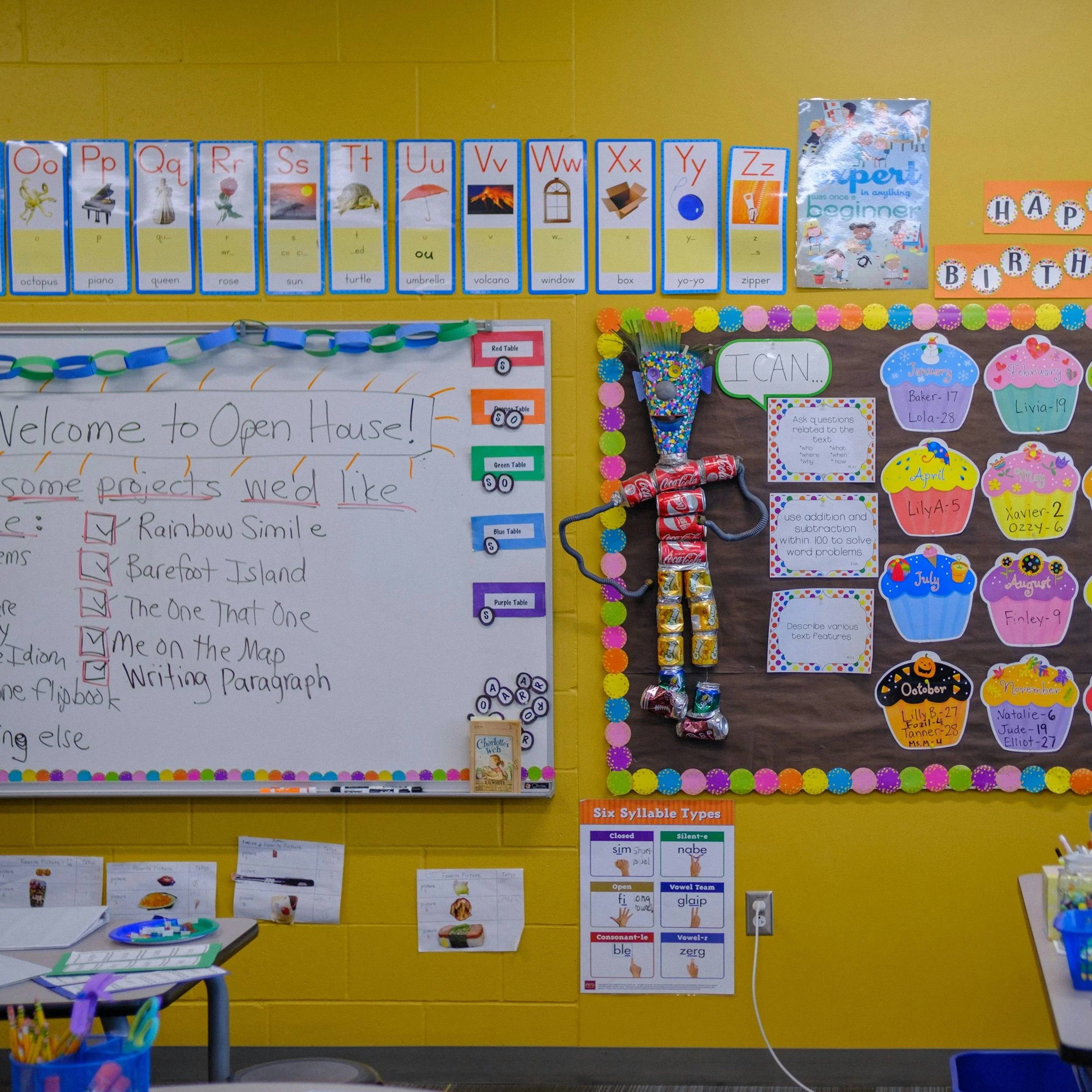
Clear instructions given one at a time, visible reminders and manageable chunks of work are among the support approaches recommended by the NHS.
They can be discussed with school and adapted to your child.
3. Describe patterns with specific examples
If you’re concerned, brief notes can help you communicate what you see:
“She completed the homework, but it took 50 minutes, repeated prompts and me sitting beside her.”
That gives a fuller picture than either “She did it” or “She can’t cope.”
Include what helps as well as what is difficult. If home and school see different things, those differences are worth exploring together.
4. Seek advice if/when difficulties persist
If attention, restlessness or impulsivity are affecting your daughter’s everyday life, speak with her teacher or SENCO and your GP. The NHS advises that children should continue receiving support while waiting for an ADHD referral or assessment.
5. Look beyond “she’s managing”
We can appreciate our daughters’ achievements and still ask whether they have the support they need.
A useful conversation might begin with, “I can see you’re getting through this. I also want to know how it feels for you.”
Our daughters deserve to know that needing clarification, movement, reminders or support is not a personal failing. These needs are information about how they function best, not a judgement about their character.
At Neuro Nest, we make space for those conversations: understanding our girls more fully, sharing practical ideas and supporting the parents alongside them.

This article provides general information and does not replace an individual assessment or advice from a qualified health professional.
Sources
NHS: ADHD in children and young people — Information about ADHD symptoms, how they may present in children, and support while waiting for assessment.
Young et al., 2020: Females with ADHD: An expert consensus statement — Expert discussion of how ADHD may present in girls and women, including compensatory strategies and reasons difficulties may be overlooked.
Young et al., 2021: Women with ADHD: An expert consensus statement — Research and clinical perspectives on ADHD in girls and women, including less overt symptoms and compensation.
