Looking back, there are so many things I wish I’d understood earlier about raising an autistic girl.
Knowing them wouldn’t have made everything suddenly easy, but I think I would have spent less time questioning myself, less time trying to make things work that simply weren’t working for my daughter, and more time understanding what she actually needed.

These are the ten things I most wish someone had told me.
1. Autism in girls doesn’t always look like the stereotypes
I wish I’d known sooner that autism in girls doesn’t necessarily look like the stereotypes we see online, on television or in films.
Autistic girls can be sociable, imaginative, make eye contact and have friends. Their interests may look completely typical for their age.
Sometimes the signs are much quieter and much easier to miss.
2. Being a “pleasure to have in class” doesn’t necessarily mean a child is thriving
For a long time, hearing that my daughter was doing well at school reassured me.
I wish I’d understood that a child can be coping beautifully on the outside while struggling enormously on the inside. For some autistic girls, being quiet, compliant and desperate to get everything “right” can be part of masking.
The child school sees and the child you collect at the end of the day can look very different.
3. Her struggles weren’t evidence that I was a terrible parent
I spent far too long wondering what I was doing wrong. Why did seemingly ordinary things feel so hard? Why did approaches that appeared to work for other families make things worse for us?
I wish I’d understood that my daughter wasn’t struggling because I was failing at parenting. She was struggling because everyday life was genuinely asking more of her.
4. I needed to trust my instincts
I wish I’d trusted myself more when I knew something wasn’t right. When you’re repeatedly reassured that your child seems fine, it’s incredibly easy to start questioning what you’re seeing at home and doubting your own judgement.
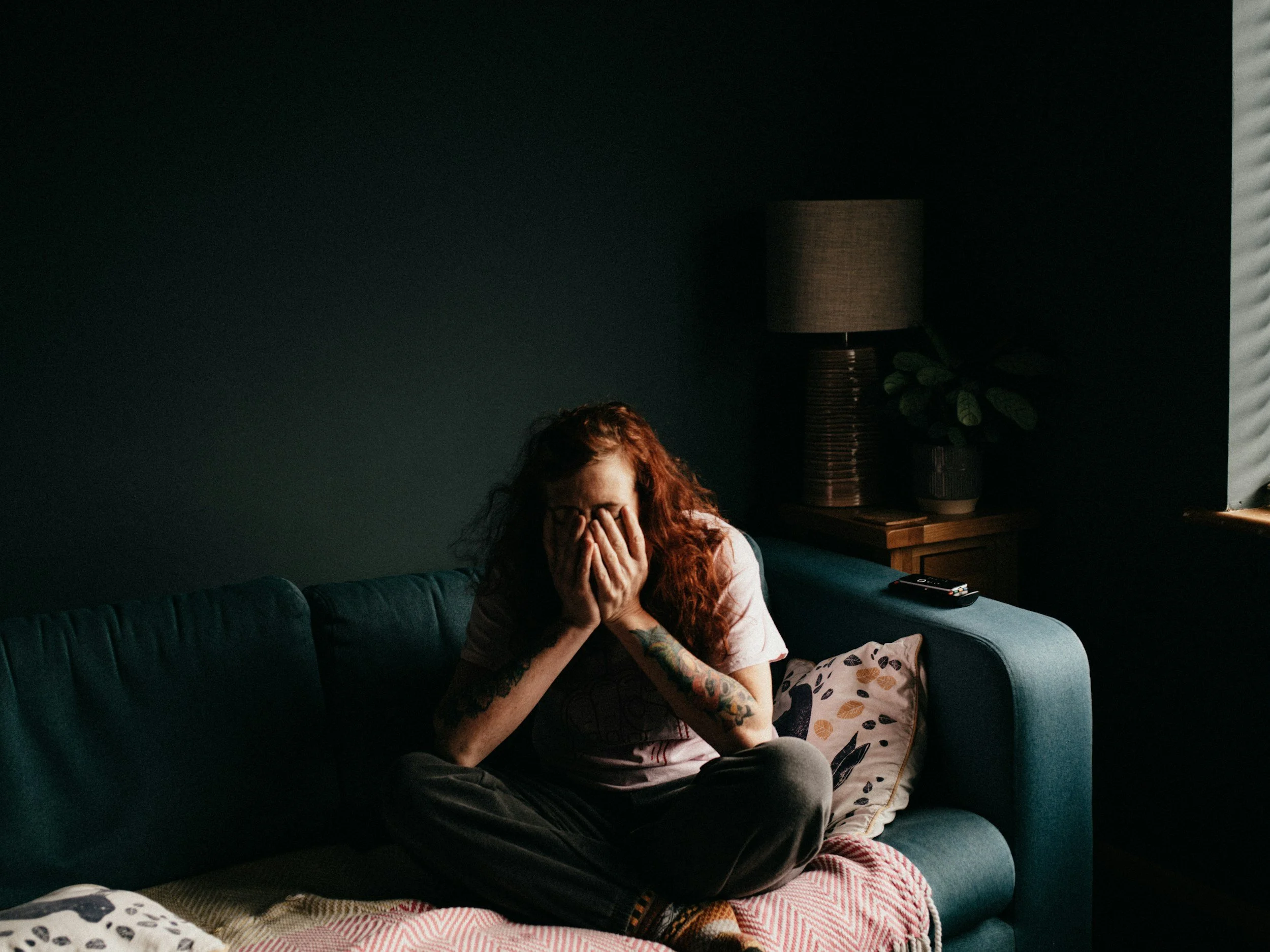
However, parents often see the things other people don’t. The exhaustion after school, the anxiety before an event, the meltdowns after holding everything together all day.
I wish I’d known that those observations mattered.
5. Friendship struggles don’t necessarily mean having no friends
I used to think that if my daughter had friends, she couldn’t really be struggling socially.
I wish I’d understood how much more complicated friendships can be for autistic girls. A child can have friends and still find friendships exhausting, confusing or anxiety-provoking.
Sometimes the struggle isn’t making friends at all. It’s feeling that you have to change who you are in order to keep them.
6. Masking can come at an enormous cost
I wish I’d understood masking sooner, particularly the impact it could have on my daughter’s wellbeing.
Holding everything together all day takes energy. Constantly monitoring how you speak, move, respond and behave in order to fit in takes energy. Appearing to cope doesn’t mean that coping is sustainable.
I wish I’d looked less at how well she appeared to be managing and more at what managing was costing her.
7. She didn’t need to reach rock bottom before she deserved support
I wish I’d known that support shouldn’t only become available when a child can no longer cope. A child shouldn’t have to be in crisis before we listen when they tell us (through their words or their behaviour) that something is too much.
In reality, it can sometimes feel as though families have to wait until things become unbearable before concerns are taken seriously.
I wish I’d understood sooner that needing support wasn’t a failure. Early support can be preventative.
8. Nobody was necessarily going to join the dots for me
I think I assumed that if my daughter was autistic, someone would eventually spot it and tell me. However, that wasn’t our experience.
I had to learn, to research and to ask questions. I had to keep advocating when I knew that the explanations we were being given didn’t quite fit the child I knew.
I wish I’d known sooner that sometimes parents are the people who have to start joining those dots.
9. “She just needs to be more resilient” wasn’t the answer
For a long time, ‘resilience’ seemed to be presented as the solution. Keep encouraging her. Keep exposing her to difficult things. Keep pushing through.
But there’s a difference between gently building confidence in something a child can manage and repeatedly expecting them to tolerate an environment or demand that overwhelms them.
I wish I’d understood that my job wasn’t simply to make my daughter better at enduring things that were hurting her.
Sometimes the answer is support. Sometimes it’s an adjustment. Sometimes it’s reducing a demand.
Sometimes it’s simply believing her when she tells us something is too much.
10. I wish I’d had someone to tell me I wasn’t alone
This is probably the biggest one.
I wish I’d had someone a few steps ahead of me who understood what it was like to parent an autistic girl whose struggles weren’t always obvious to everyone else.
Someone I could ask the questions that felt too small, too complicated or too difficult to ask anywhere else.
Someone who could say: I recognise this. We’ve been there too.
Because information matters. Practical support matters. Advocacy matters.
But sometimes what you need most is simply to know that you’re not navigating it alone.
If you’re somewhere near the beginning of this journey now, I hope Neuro Nest can be one of the places that reminds you of that.

Neuro Nest shares information and lived experience to support parents of neurodivergent children. It isn’t a substitute for individual medical, diagnostic or professional advice.
